


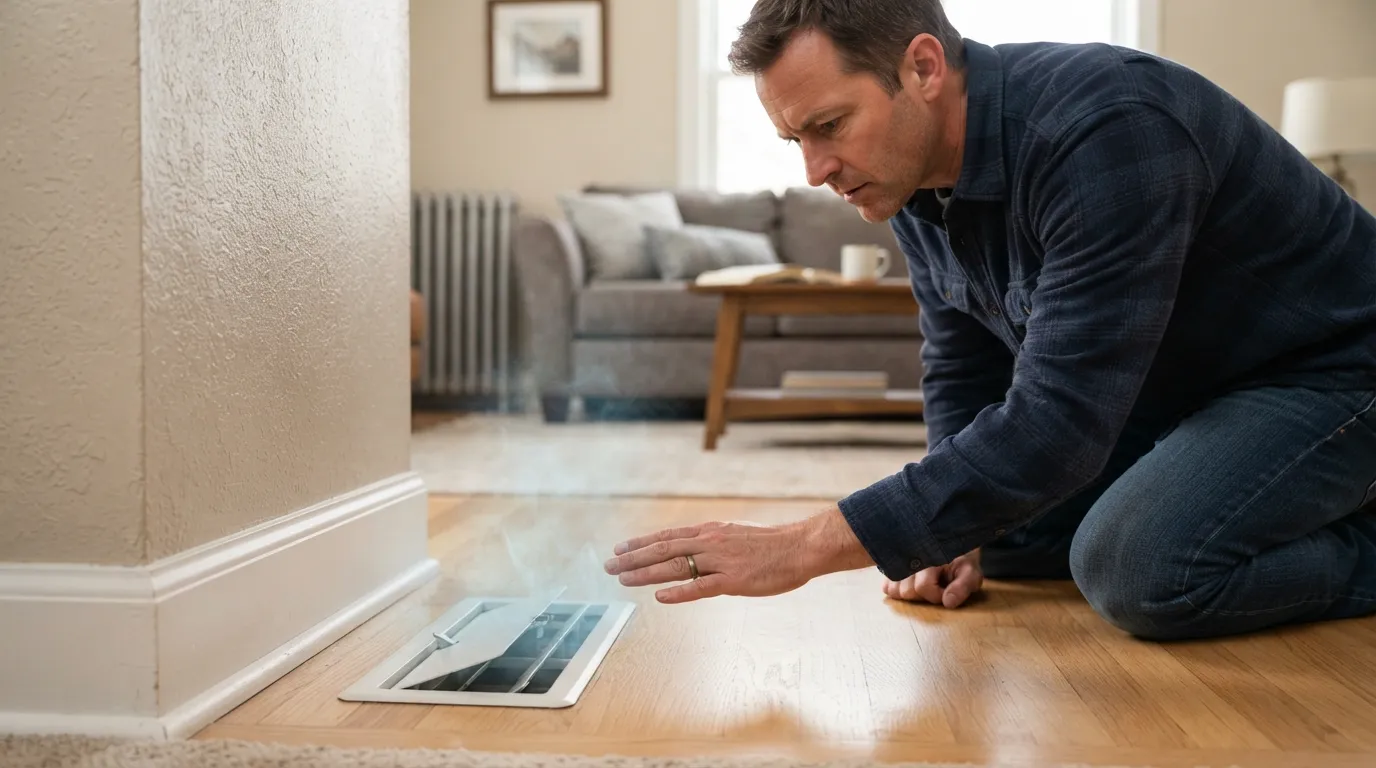
A furnace blowing cold air usually comes down to one of five things: the thermostat fan set to ON instead of AUTO, a clogged filter tripping the overheat safety, a thermostat mode or battery problem, blocked registers, or an ignition failure that keeps the burners from lighting. You can check the first four yourself in about five minutes, without tools. The fifth is a tech visit, and we’ll show you exactly where that line sits.
One scope note first. This guide is for a furnace that runs: blower humming, air moving, just cold. If your system won’t turn on at all, or you’re not sure what kind of heat you even have, start with our broader guide to a heater not blowing hot air and come back once you know it’s the furnace.
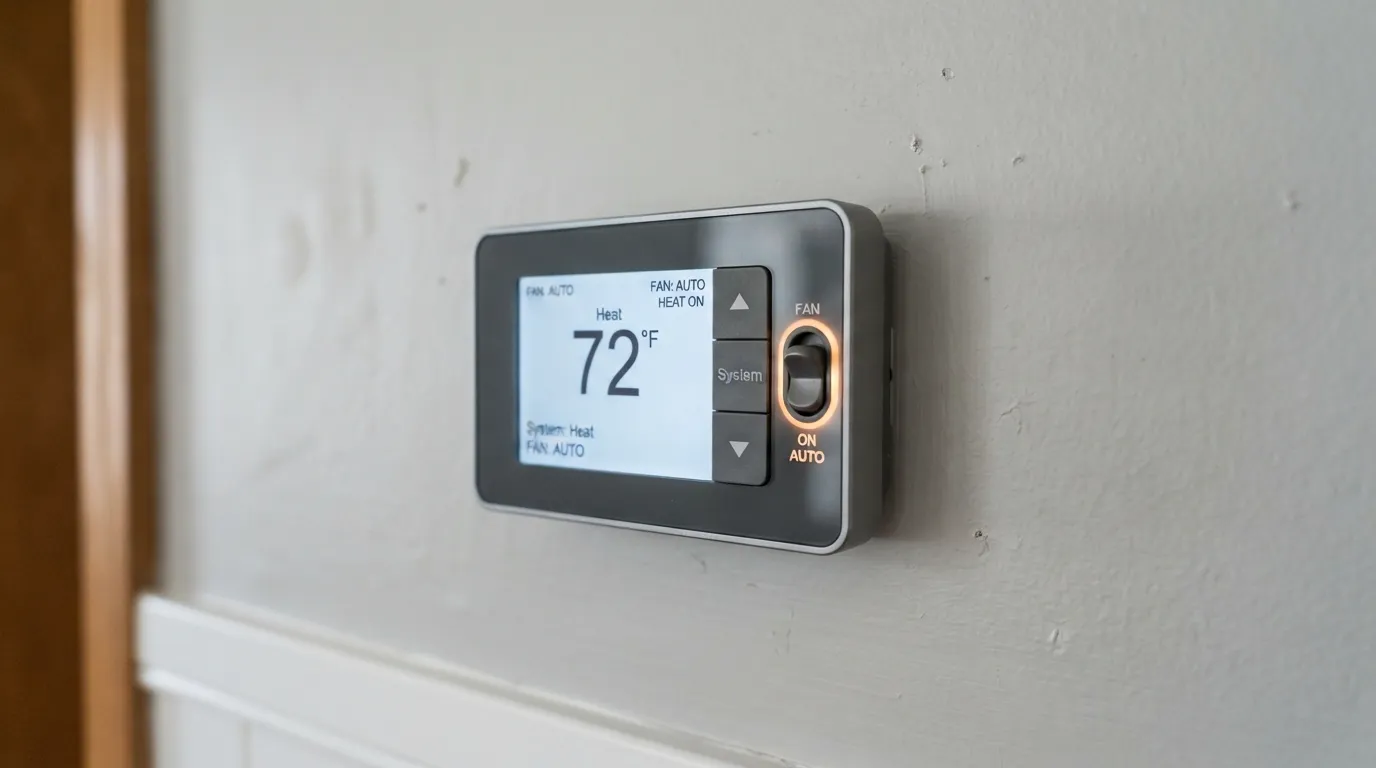
Start with the fan switch: ON vs. AUTO
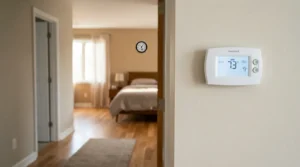
If the thermostat fan is set to ON, the blower runs around the clock, including between heating cycles. Between cycles it pushes unheated, room-temperature air through your vents, and 70-degree air feels cold on your skin in January. Flip the fan to AUTO so the blower only moves air while the burners are actually making heat.
Honestly, this one switch ends more winter cold-air calls than any part we carry on the truck. Nothing is broken. The house just feels drafty every time the burners rest.
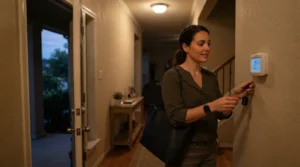
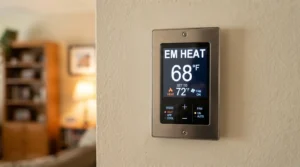
While you’re at the thermostat, confirm three more things: the mode says HEAT, the set temperature is above the room reading, and no schedule or hold is quietly overriding you. Wi-Fi thermostats are repeat offenders; an away setting nobody remembers can hold a house at 62 all week. Weak batteries do strange things too. Two fresh AAs have revived more than one “broken furnace” in Lorena.
The filter, especially if the air started warm and turned cold
Here’s a pattern we see in Waco attics every time the first real cold snap lands: the furnace lights, blows warm for a few minutes, then goes cold while the blower keeps running. Ten minutes later it does it again.
That’s usually a clogged filter, and the sequence makes sense once you know what’s happening inside the cabinet. A packed filter chokes airflow, heat builds up around the heat exchanger, and a safety device called the high-limit switch cuts the burners before anything overheats. The blower keeps running to cool the furnace down, which is exactly why the cold air keeps coming. Techs call it limit tripping, and a $15 filter fixes it more often than anyone expects.
Pull the filter and hold it up to a light. If you can’t see light through it, replace it, wait ten minutes, and let the furnace try again. During heating season, a 1-inch filter wants changing every 30 to 60 days. Yes, that’s more often than the box says.
Walk the house and open every register
Closed vents feel like they should save money. They don’t. Shutting registers to “push heat” toward other rooms raises pressure in the ducts, strains the blower, and can trip the same high-limit switch a dirty filter does.
So walk the house. Open every louver, pull furniture and rugs off floor registers (older homes in Waco proper have more floor vents than the newer builds out toward China Spring), and clear the return grille of pet hair. If the return is fuzzy enough to knit with, you’ve found your airflow problem.
When the furnace itself is the problem
If the fan’s on AUTO, the filter’s clean, and every register is open, the trouble is probably on the ignition side. You can identify it by behavior, but hear this part plainly: everything below lives inside the burner compartment of a gas appliance. Diagnosis by ear is yours. The repair belongs to a licensed tech.
Burners light, then die within seconds. The classic sign of a dirty or failing flame sensor. Its whole job is confirming a flame exists; when it can’t, it shuts off the gas as a safety measure. A modest line on a tech’s invoice, and a terrible thing to poke at yourself.
Clicking, but no whoosh. The igniter is trying and failing. The blower may keep running anyway, moving cold air the whole time.
No light-off at all, ever. That points toward the gas valve or the control board, and it’s the least DIY item on this page.
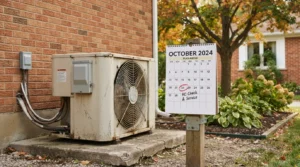
One more flag while you’re looking: rust. A furnace corroding on the outside is often failing on the inside, because moisture and dying ignition parts travel together. We wrote up what rust and corrosion on a furnace mean if yours is looking crusty.
Any of these is a routine visit for our furnace repair techs, and it starts with a written quote before anyone touches a part. You’ll know the number before you say yes.
The stop-and-call line, in plain terms
Thermostats, filters, registers, breakers: yours. The burner compartment, gas connections, and anything you’d need a screwdriver to reach: not yours. Don’t hand-light anything on a modern furnace, and don’t keep running a unit that trips its limit over and over; repeated overheating wears out parts that are expensive to replace.
And if you ever smell gas, skip every step on this page. Leave the house, call your gas utility from outside (Atmos Energy for most of our area), and let them clear the house before anyone chases the furnace problem.
About half the cold-air calls we run between McGregor and Crawford end at a setting or a filter, which is exactly why this checklist exists. We’d rather you catch the free stuff yourself than pay us to flip a switch.
One last scope check: if the vents blow warm but the house never actually gets comfortable, that’s a different animal — the furnace is making heat and the house is losing it. We cover that one in heater running but the house stays cold.
Common questions about a furnace blowing cold air
Why is my furnace blowing cold air?
Why does my furnace blow warm air, then cold?
Is it bad to leave the furnace fan on ON?
My heater isn’t blowing warm air at all. Same problem?
Where to go from here
Fan to AUTO, fresh filter, open registers, right mode. That’s the free list for a furnace blowing cold air, and it solves the problem more often than a repair company should probably admit. Still cold? Request a written quote or call — same-day slots are often available across the Waco area, and you’ll get a straight answer on whether this is a $150-class part or a bigger conversation.
The On Point Team · On Point Service Company — family-owned HVAC & appliance repair, McGregor, TX · Serving Waco, Temple, Belton, and surrounding Central Texas towns · Licensed & insured, TDLR License TACLB00069239E ·