




Waco Stove and Oven Repair Solutions: On Point Service Company
Stoves and ovens are essential appliances in every home, providing the means to prepare meals and enjoy family gatherings. However, homeowners in Waco often encounter common issues that can disrupt their cooking routines. This article will explore prevalent stove and oven problems, offering expert repair solutions and troubleshooting techniques to help you maintain your appliances effectively. By understanding these issues, you can save time and money while ensuring your kitchen remains functional. We will cover common problems, expert repair solutions, troubleshooting techniques, and preventative maintenance tips to keep your appliances in top shape.
Common Problems
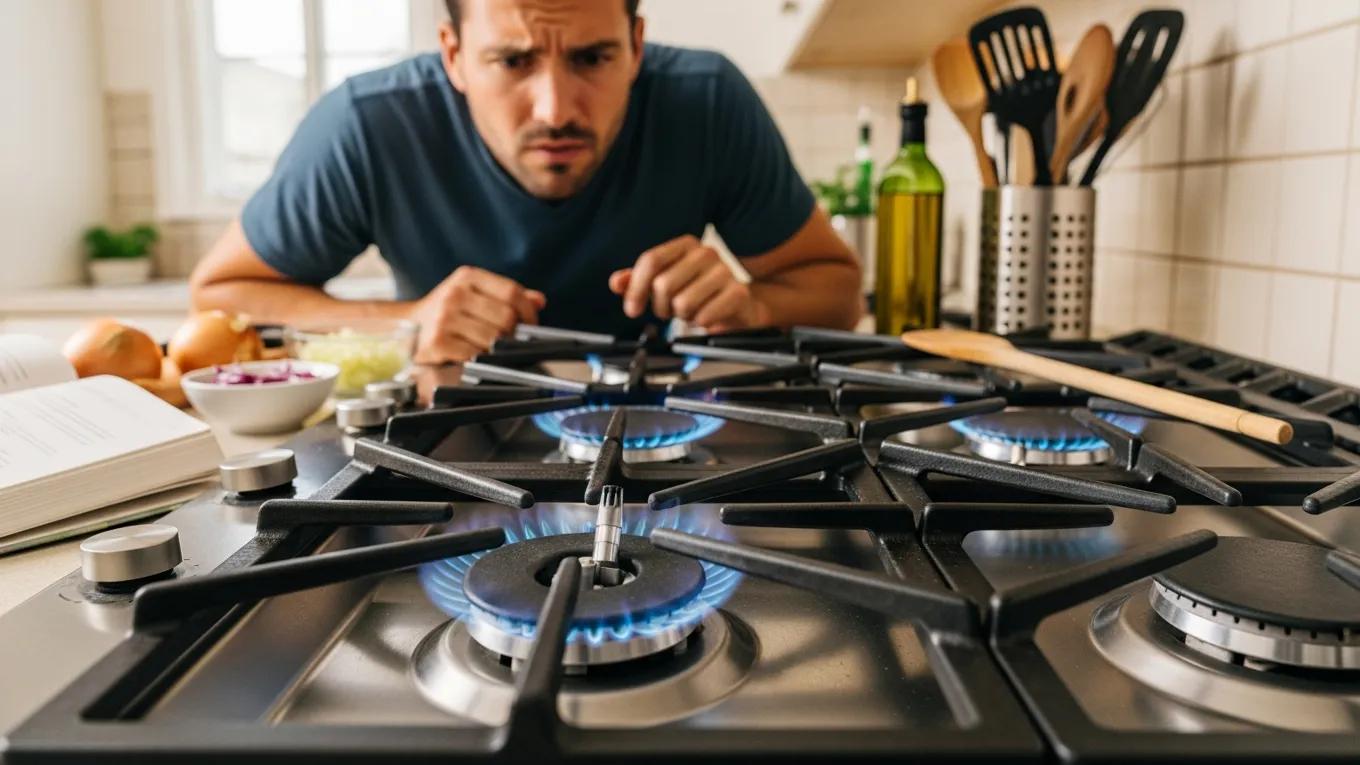
Homeowners frequently face several stove and oven issues that can hinder their cooking experience. Understanding these problems is the first step toward effective solutions. Here are some of the most common issues:
- Uneven Cooking: Many homeowners notice that their food cooks unevenly, leading to burnt edges and undercooked centers. This can be caused by a malfunctioning heating element or an improperly calibrated oven.
- Gas Burner Failures: Gas stoves may experience burner failures, where one or more burners do not ignite or maintain a steady flame. This can be due to clogged burners or issues with the gas supply.
- Electrical Issues: Electric stoves can face various electrical problems, such as faulty wiring or a broken thermostat, which can prevent the appliance from heating properly.
Recognizing these common problems allows homeowners to take proactive measures to address them before they escalate.
Expert Repair Solutions
When faced with stove and oven issues, knowing the right repair solutions can save time and frustration. Here are some expert-recommended solutions for common problems:
- Ignitor and Element Replacement: If your oven is not heating, replacing the ignitor or heating element can often resolve the issue. This is a straightforward repair that can restore functionality.
- Temperature Sensor Repair: A faulty temperature sensor can lead to inaccurate cooking temperatures. Replacing this component ensures that your oven maintains the correct heat levels for optimal cooking.
- Gas Line Inspection: For gas stove issues, a thorough inspection of the gas line is crucial. This can identify leaks or blockages that may be affecting burner performance.
For homeowners in Waco, On Point Service Company specializes in HVAC and appliance repair, including stove and oven repairs. Their expertise can help you address these issues effectively.
Troubleshooting Techniques
Before calling a professional, homeowners can try several troubleshooting techniques to identify and potentially resolve stove and oven problems. Here are some effective methods:
- Check for Blockages: Inspect burners and vents for any obstructions that may hinder performance. Cleaning these areas can often resolve ignition issues.
- Inspect Seals: Ensure that oven door seals are intact. Damaged seals can lead to heat loss, affecting cooking efficiency.
- Monitor Cooking Performance: Keep track of how your stove and oven perform over time. Noting any irregularities can help you identify patterns and potential issues.
By employing these troubleshooting techniques, homeowners can often pinpoint the source of their appliance problems and take appropriate action.
Effective Troubleshooting Strategies for Appliance Repair
These preliminary questions are not trivial. Indeed, they are essential to expedient and safe troubleshooting. They are especially important when the system to be trouble-shot is large, dangerous, and/or expensive. Sometimes the troubleshooter will be required to work on a system that is still in full operation (perhaps the ultimate example of this is a doctor diagnosing a live patient). Once the cause or causes are determined to a high degree of certainty, there is the step of corrective action. Correcting a system fault without significantly interrupting the operation of the system can be very challenging, and it deserves thorough planning. When there is high risk involved in taking corrective action, such as is the case with performing surgery on a patient or making repairs to an operating process in a chemical plant, it is essential for the worker(s) to plan ahead for possible trouble. One question to ask before proceeding with repairs is, “how and at what point(s) can I abort the repairs if something goes wrong?” In risky situations, it is vital to have planned “escape routes” in your corrective action, just in case things do not go as planned. A surgeon operating on a patient knows if there are any “points of no return” in such a procedure, and stops to re-check the patient before proceeding past those points. He or she also knows how to “back out” of a surgical procedure at those points if needed.
APPENDIX D: Troubleshooting–Theory And Practice, 2020
Preventative Maintenance Tips
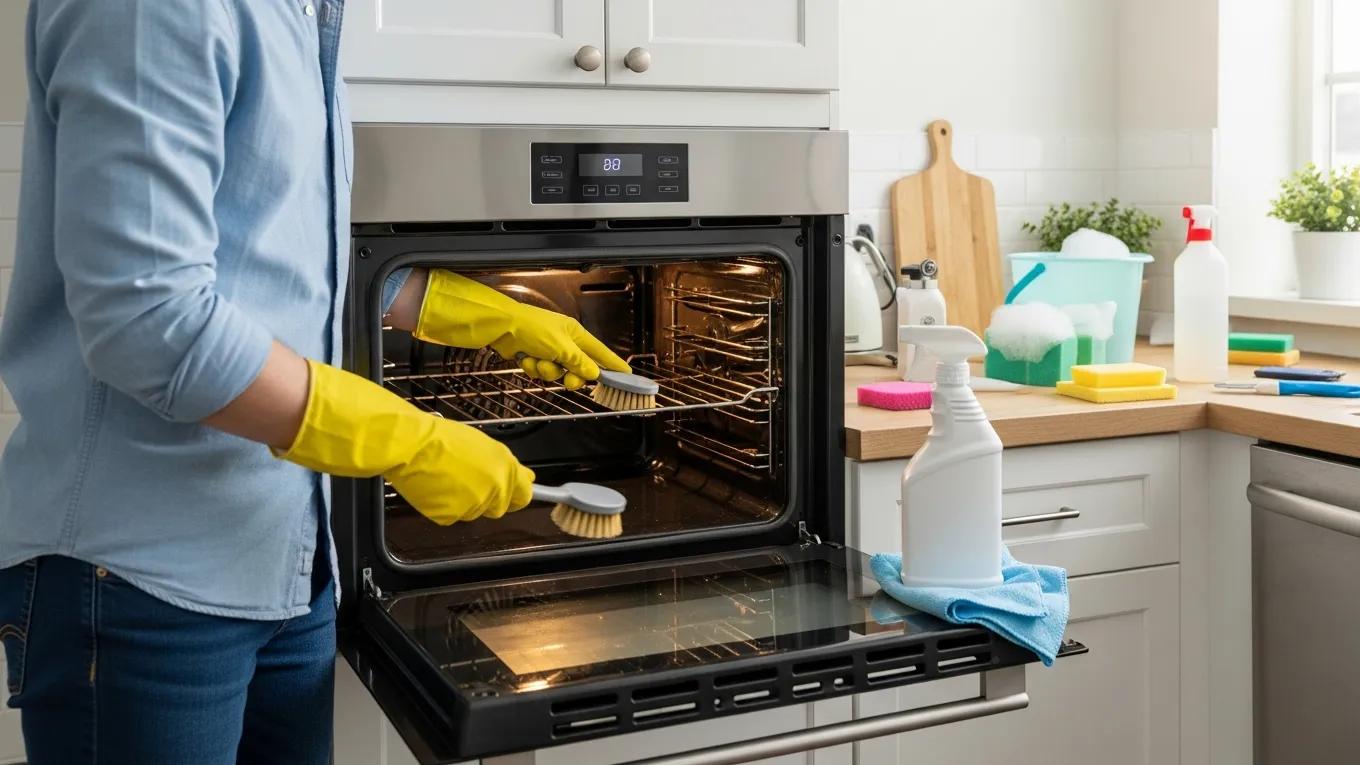
Regular maintenance is key to prolonging the life of your stove and oven. Here are some preventative maintenance tips to keep your appliances running smoothly:
- Regular Cleaning: Keeping your stove and oven clean prevents buildup that can lead to malfunctions. Wipe down surfaces and clean burners regularly.
- Routine Inspections: Schedule periodic inspections to check for wear and tear on components. Early detection of issues can prevent costly repairs.
- Replace Old Appliances: If your stove or oven is outdated, consider replacing it with a more efficient model. Newer appliances often come with improved technology and energy efficiency.
By following these maintenance tips, homeowners can ensure their stoves and ovens remain in optimal condition, reducing the likelihood of unexpected breakdowns.
What Causes Oven Ignition Failures in Gas and Electric Models?
Oven ignition failures can occur in both gas and electric models due to various factors. In gas ovens, a common cause is a faulty ignitor, which may not generate enough heat to ignite the gas. In electric ovens, issues with the heating element or thermostat can prevent the oven from reaching the desired temperature. Regular maintenance and timely repairs can help prevent these ignition failures.
How Can I Troubleshoot Stove Burner Malfunctions Effectively?
To troubleshoot stove burner malfunctions, start by checking the burner for clogs or debris. Ensure that the burner cap is properly aligned and that the ignitor is functioning. If the burner still does not ignite, inspect the gas supply line for any blockages. For electric burners, check the wiring and connections to ensure they are secure.
When Should I Seek Professional Gas Stove Repair Services in Waco TX?
Homeowners should seek professional gas stove repair services when they notice persistent issues that cannot be resolved through basic troubleshooting. Signs that indicate the need for professional help include gas leaks, irregular burner flames, or a complete failure to ignite. On Point Service Company offers expert gas stove repair services in Waco, ensuring safety and efficiency.
What Are the Signs of a Faulty Stove Burner Igniter or Gas Supply?
Signs of a faulty stove burner igniter include a clicking sound without ignition or a weak flame. For gas supply issues, homeowners may notice a hissing sound or a strong gas odor. If any of these signs are present, it is crucial to address the issue immediately to prevent safety hazards.
How Do I Maintain and Ensure Safety for My Stove and Oven Appliances?
To maintain and ensure safety for your stove and oven appliances, follow these guidelines:
- Regularly inspect gas lines and connections for leaks or damage.
- Keep the area around the stove clear of flammable materials.
- Use appliances according to manufacturer instructions to prevent misuse.
By adhering to these safety practices, homeowners can enjoy peace of mind while using their stoves and ovens.