



By The On Point Team · Updated July 2026
Thermostat replacement typically costs $150–$500 installed in Central Texas: $25–$150 for a basic or programmable unit, $130–$330 for a smart thermostat, plus $100–$250 in labor depending on wiring. Like-for-like battery-model swaps are honest DIY territory. Heat pumps and missing C-wires are where it gets expensive to guess wrong.
That last sentence is the part most articles skip, and it’s the part that decides whether your February electric bill looks normal or looks like a typo. Here’s the whole picture.
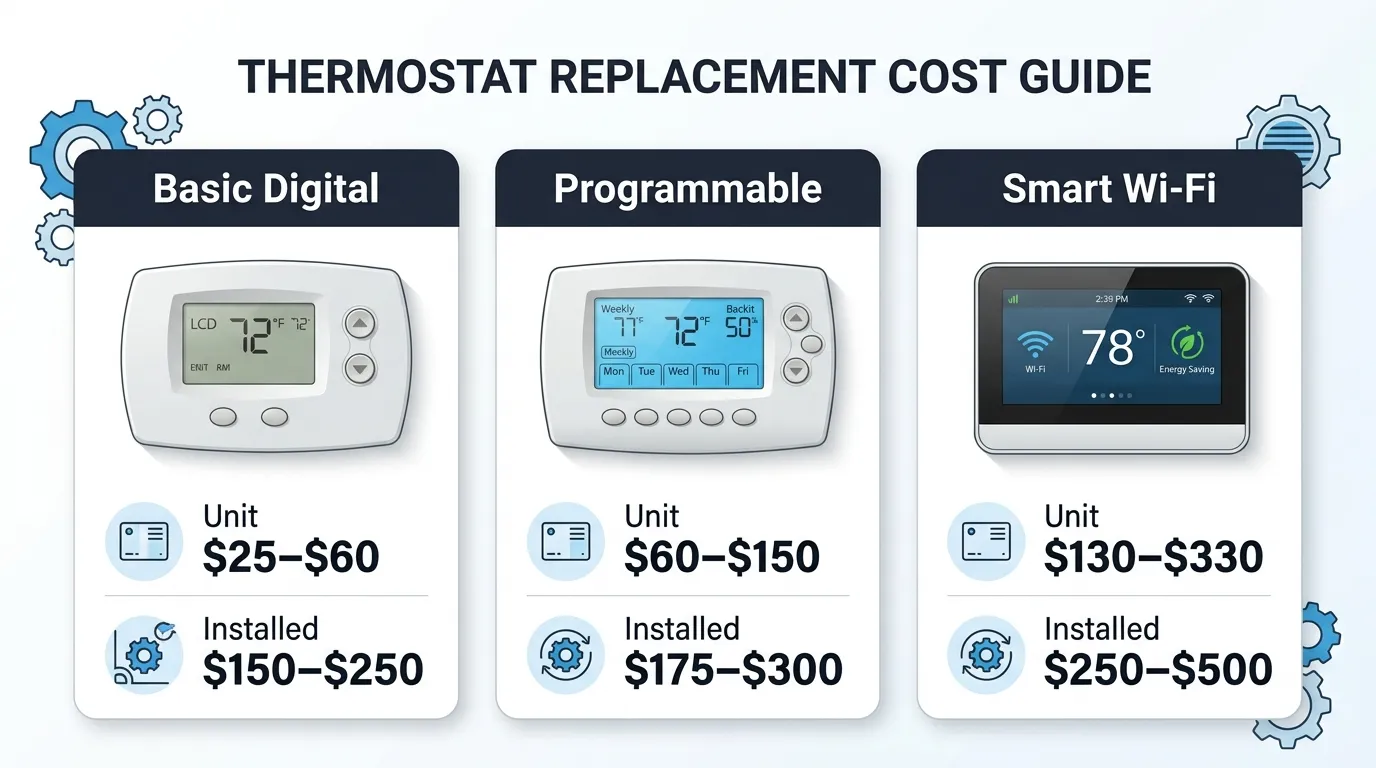
What Thermostat Replacement Costs
Typical Central Texas ranges, unit plus professional installation, not our price list; the written quote is the real number.
| Thermostat type | Unit cost | Installed (typical) |
|---|---|---|
| Basic digital (non-programmable) | $25 – $60 | $150 – $250 |
| Programmable (7-day) | $60 – $150 | $175 – $300 |
| Smart (Wi-Fi, learning) | $130 – $330 | $250 – $500 |
Where the labor spread comes from: a straight swap onto existing, correctly labeled wires sits at the bottom of the range. Add a C-wire run (constant power; most smart stats want one), heat pump configuration, or wall repair where the old unit’s footprint was bigger, and you climb toward the top.
One opinion up front: don’t buy a $300 thermostat for a system on its last legs. If your AC or furnace is in replacement territory anyway, new systems typically come with, or want, a matched control, and buying twice is the only real way to lose money on a thermostat. Timing matters more than the gadget; more on that below.
First, Make Sure It’s Actually the Thermostat
“Thermostat not working” is one of the most-searched HVAC phrases in Texas, and here’s the honest tell from years of service calls: the thermostat is innocent more often than it’s guilty. It’s the messenger for whatever the system is doing.
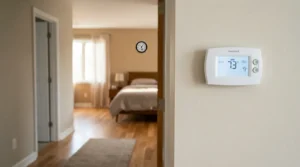
Ninety-second check before you spend anything: fresh batteries (a faded or blank screen is batteries until proven otherwise), settings verified (COOL or HEAT as appropriate, fan on AUTO), and both breakers checked, because a dead outdoor unit reads as “thermostat ignoring me” from the hallway.
A screen that’s on but the house won’t cool? That’s usually the system, not the stat; work through our warm-air checklist before blaming the wall unit. No heat in winter with a working display? Same story on the heating side; our heater troubleshooting guide runs the sequence. And if the display is dead with fresh batteries, check for a tripped float switch or a blown low-voltage fuse in the air handler, two cheap causes that mimic a dead thermostat exactly.
Replace the thermostat when the diagnosis actually points at it: erratic temperature swings against a good sensor reading, a screen that resets itself, buttons or relays that stick, or a mechanical dial old enough to contain mercury. (That last one: dispose of it properly; mercury stats shouldn’t go in the trash.)
Smart Thermostats and Texas Heat Pumps: Read Before You Buy
For a house with a gas furnace and straight-cool AC (most of the older housing stock in Waco proper), nearly any smart thermostat works, and the buying decision is about features and price, not compatibility.
Heat pumps are a different story, and Central Texas has a lot of them, especially in newer builds out toward China Spring and Temple. Three things to get right:
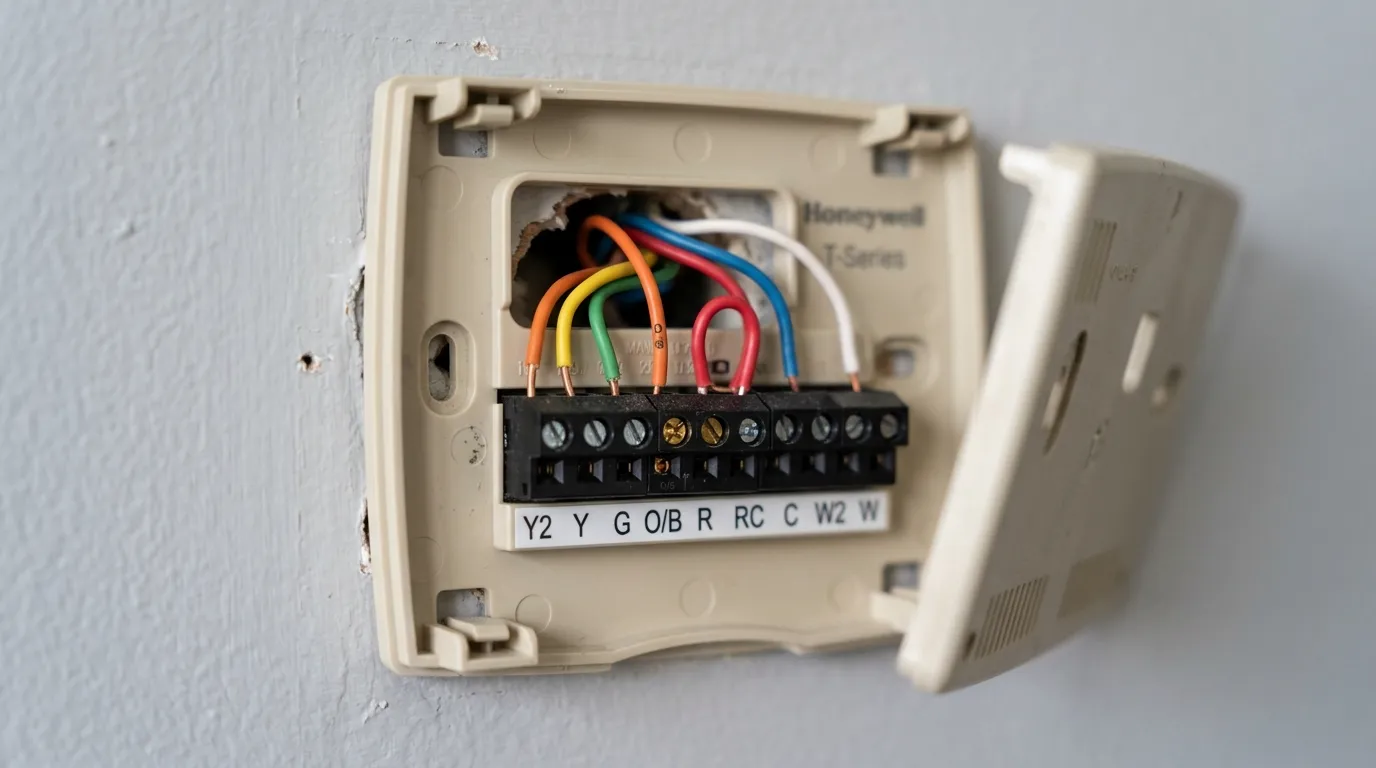
The O/B wire. Heat pumps use a reversing valve, and the thermostat has to energize it correctly or you get heat when you asked for cooling. Mainstream smart stats (Nest, ecobee, Honeywell Home’s T-series) all support heat pumps, but the configuration during setup is where DIY installs go sideways.
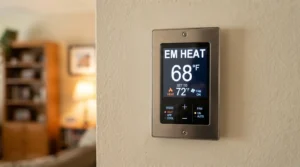
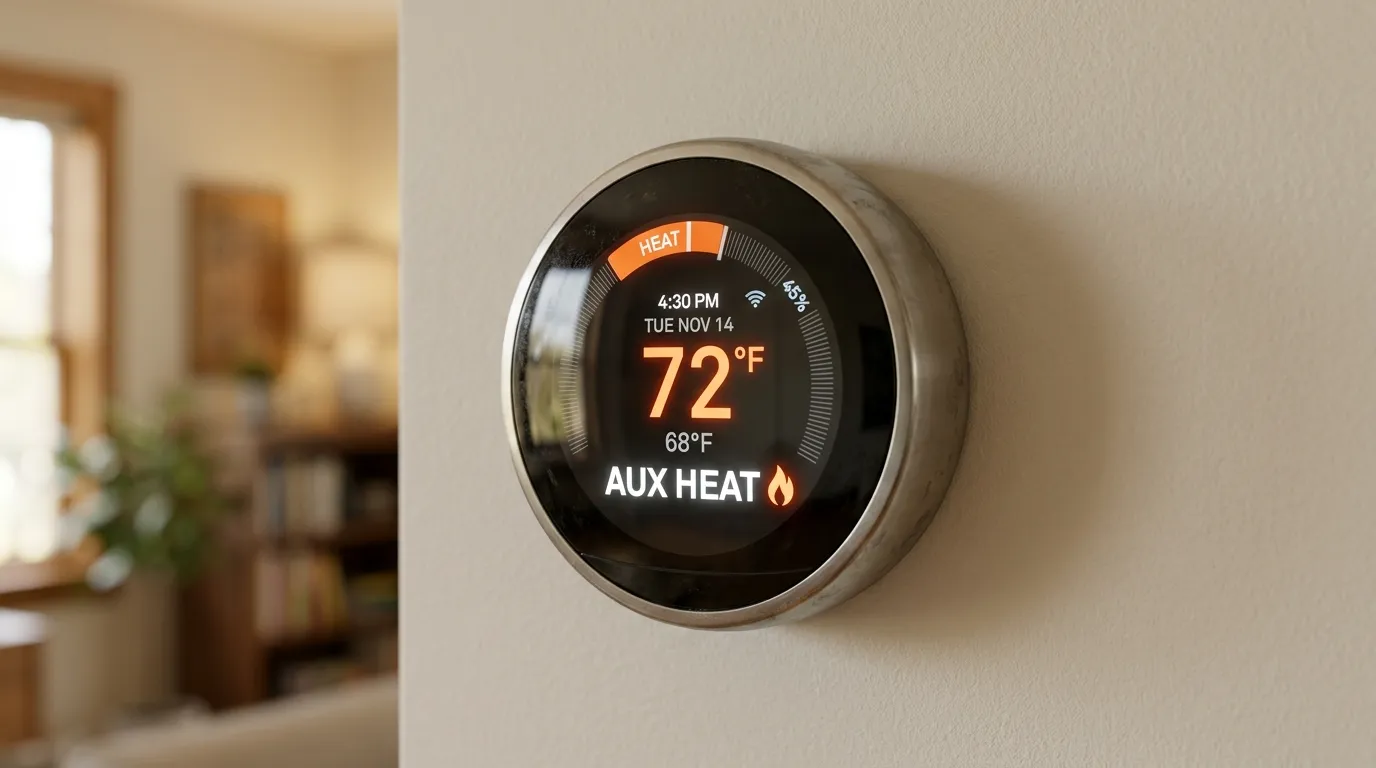
Auxiliary heat control: this is the money one. Texas heat pumps lean on electric strip heat as backup when winter actually shows up. Strip heat costs several times what the heat pump costs per hour of warmth. A thermostat that’s misconfigured about when to call for aux heat will quietly run the expensive coils all winter. Everything feels fine, and the bill after a February freeze week is the only symptom. If your electric bill spiked after a thermostat swap, this is suspect number one.
The C-wire. Smart stats need constant power. Older Texas homes frequently don’t have a C-wire at the thermostat, and the workarounds (power-stealing, adapter kits) range from fine to flaky. Running a proper C-wire is a modest add-on during professional installation and the end of the problem.
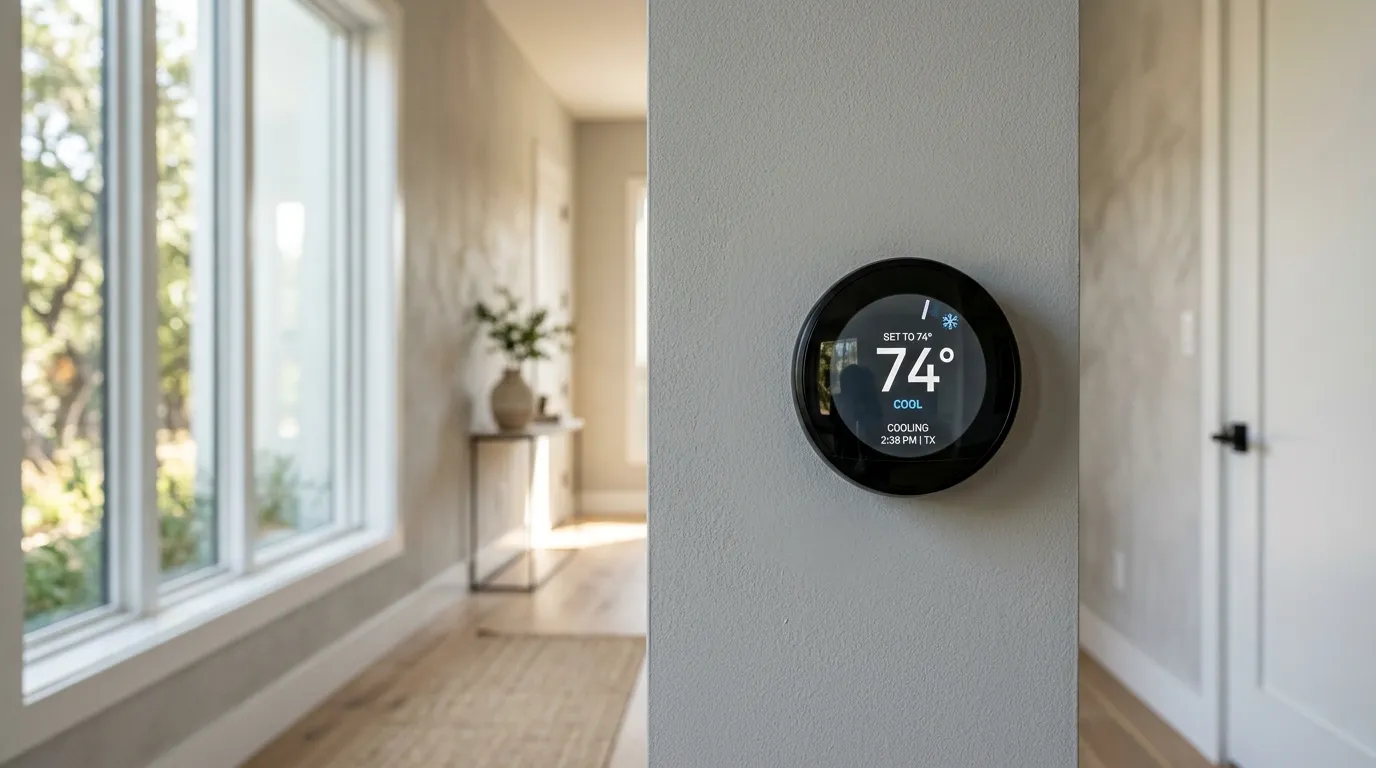
Are smart thermostats worth it here? Our take: yes, more than in most states: remote control and scheduling earn real money across a seven-month cooling season, and ENERGY STAR-certified models are built around exactly that math (their smart thermostat page is the neutral reference). The payoff is biggest in heat-pump homes, and only if the aux-heat setup is right, which is the strongest argument for having the install done by someone who configures these weekly.
When to Replace: Timing That Saves Money
With a new system. If equipment replacement is on the horizon, fold the thermostat into that project: matched controls, one labor bill. Our new AC cost guide covers what that bigger decision looks like in 2026.
During a tune-up. Adding a thermostat swap to a scheduled maintenance visit beats a standalone appointment on labor. Mention it when you book.
Before the season needs it. The worst time to discover a failing thermostat is the first 100° week or the first freeze, the same weeks every schedule in the county fills up. Shoulder-season swaps are calm, cheap, and configurable without anyone sweating or shivering while it happens.
DIY or Pro? The Honest Line
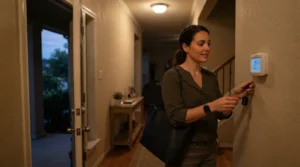
If you’re swapping a battery-powered digital stat for the same style on a conventional gas-furnace-and-AC system, with photographed, labeled wires, that’s reasonable homeowner territory, and we won’t pretend otherwise.
Call it in instead when any of these is true: it’s a heat pump (the O/B and aux-heat configuration, per above), there’s no C-wire and the new stat wants one, the wiring is unlabeled or crusty, or the “thermostat” runs baseboard or wall heaters on line voltage. That’s 240V behind the plate, not the harmless 24V of a central system, and it’s not a homeowner job, period. Same rule as always: low-voltage checks and battery swaps are yours; anything that means opening equipment panels or working with real voltage is where you stop and a licensed tech takes over. Misconfigured stats also have a way of masquerading as bigger problems; plenty of “furnace repair” calls end with us reprogramming somebody’s weekend thermostat install, which is a cheap visit but an avoidable one.
FAQ: Thermostat Replacement
How much does it cost to replace a thermostat?
Are smart thermostats worth it in Texas?
Why is my thermostat blank or unresponsive?
Can a bad thermostat cause high electric bills?
Thermostat Replacement Summary by On Point Service Company
Batteries, settings, breakers. Then decide. If the thermostat’s truly done, match the replacement to your system (especially on heat pumps), time it with other work when you can, and put the smart-stat savings on autopilot with an actual schedule.
Not sure whether it’s the thermostat or the system behind it? Get a straight answer and a written quote — the diagnostic sorts it out either way, and seniors and military get 10% off repairs.
On Point Service Company is a family-owned HVAC and appliance repair company in McGregor, TX, serving Waco, Temple, China Spring, and the surrounding area with 20+ years of combined experience. Licensed & insured · TDLR License TACLB00069239E