





Central AC or mini-split for your Waco home? Compare cost, efficiency, and comfort to choose the right system. Free estimates from On Point Service Co.
Many homeowners face the same question when it’s time to replace their AC. Should you choose central air or a mini split system? In a place like Waco, where summer temperatures regularly climb into the 90s and cooling season stretches for months, choosing the right HVAC system can have a major impact on comfort, energy bills, and long-term value.
While some cooling issues can be resolved with professional AC repair, there comes a point when replacing an aging system may be the more cost-effective solution. A mini split vs central air comparison often comes down to home layout and existing HVAC system design.
If you’re weighing the pros and cons of a mini split air conditioner and a central air conditioner, this guide breaks down everything you need to know without the technical jargon. We’ll compare installation costs, energy efficiency, comfort, and performance so you can determine the best AC for Waco TX homes.
The Quick Verdict: Which Wins for Most Waco Homes?
Central air is usually the better long-term investment for homes with a functioning network of ducts. It provides consistent cooling throughout the entire home, helps distribute air evenly from room to room, offers strong resale appeal, and is often the most practical choice for larger houses.
However, a mini split can be the right choice if your home lacks ductwork, you’re adding conditioned space, or you want room-by-room temperature control. A single-zone mini split works well for targeted cooling, while multi-zone systems handle multiple rooms. Ultimately, the answer depends on your home’s size, existing ductwork, and how you use each space.
How Central AC Works
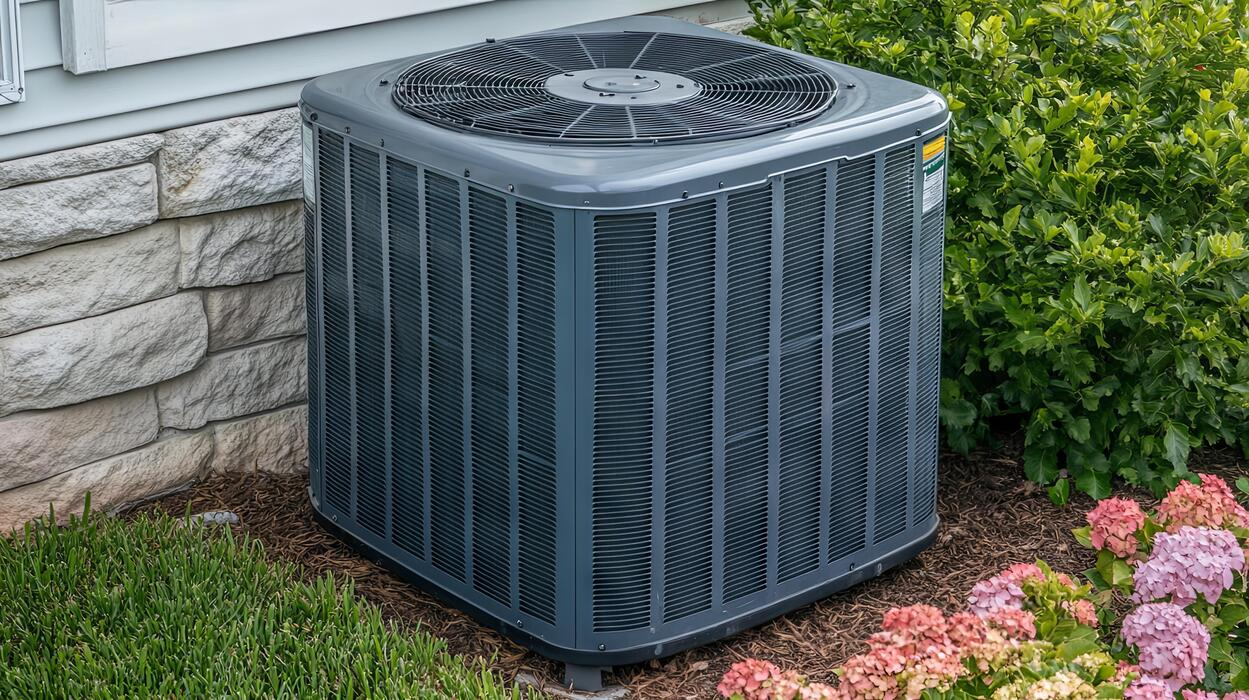
Most homeowners are familiar with traditional central systems because these units provide reliable cooling for an entire house from one location. A central air conditioner cools your home using a single outdoor condenser connected to an indoor air handler or furnace. The system circulates cooled air through a duct network and delivers it to each room through vents.
The outdoor condenser removes heat from the home while refrigerant carries that heat between indoor and outdoor components. Once cooled, air is distributed throughout the house through the ductwork. This process also helps remove moisture out of the air during hot and humid Texas summers.
Pros of Central AC
- Even, whole-home cooling from one system
A modern central AC unit is often the backbone of a reliable heating and cooling setup in many homes. One of the biggest advantages of central AC is its ability to cool the entire home evenly. Rather than relying on multiple units working independently, one system delivers conditioned air throughout the house.
This creates a more consistent indoor environment, especially in larger homes where maintaining comfort from room to room is important. A well-maintained system can also improve indoor air quality by filtering dust and allergens as air circulates.
- Hidden infrastructure – no wall units
Unlike mini-splits, central air keeps most of the equipment out of sight. The ductwork is hidden behind walls, in ceilings, or in the attic, while the indoor components are typically tucked away in a utility closet or garage. Homeowners who prefer a clean, uncluttered look often appreciate not having visible wall-mounted units in their living spaces.
- Higher resale appeal for larger Waco homes
Many buyers in Central Texas expect a home to have central air conditioning. For larger homes in particular, central AC is often viewed as a standard feature rather than an upgrade. If resale value is a priority, a well-maintained central system can make a property more attractive to future buyers.
Cons of Central AC
- Higher upfront cost if ducts are absent
If your home doesn’t have ductwork, installing central AC can become a major project. Running ducts through walls, ceilings, and attic spaces adds labor and material costs that can significantly increase the overall investment.
- Energy loss through leaky ductwork
Even a high-efficiency system can lose performance if the ductwork is old, damaged, or poorly sealed. Small leaks can allow cooled air to escape before it reaches living spaces, forcing the system to work harder and increasing energy consumption. This is especially common in older homes where ducts have deteriorated over time.
- All-or-nothing cooling (no room-by-room control)
Central AC treats the home as a single cooling zone. While some systems can be upgraded with zoning controls, most standard setups cool every room at the same time. If one family member prefers a cooler bedroom while another prefers a warmer temperature elsewhere, it can be difficult to satisfy everyone without additional modifications.
For homeowners considering an upgrade, professional AC replacement services can help determine whether existing ducts can support newer, higher-efficiency central AC systems.
How Mini-Splits Work
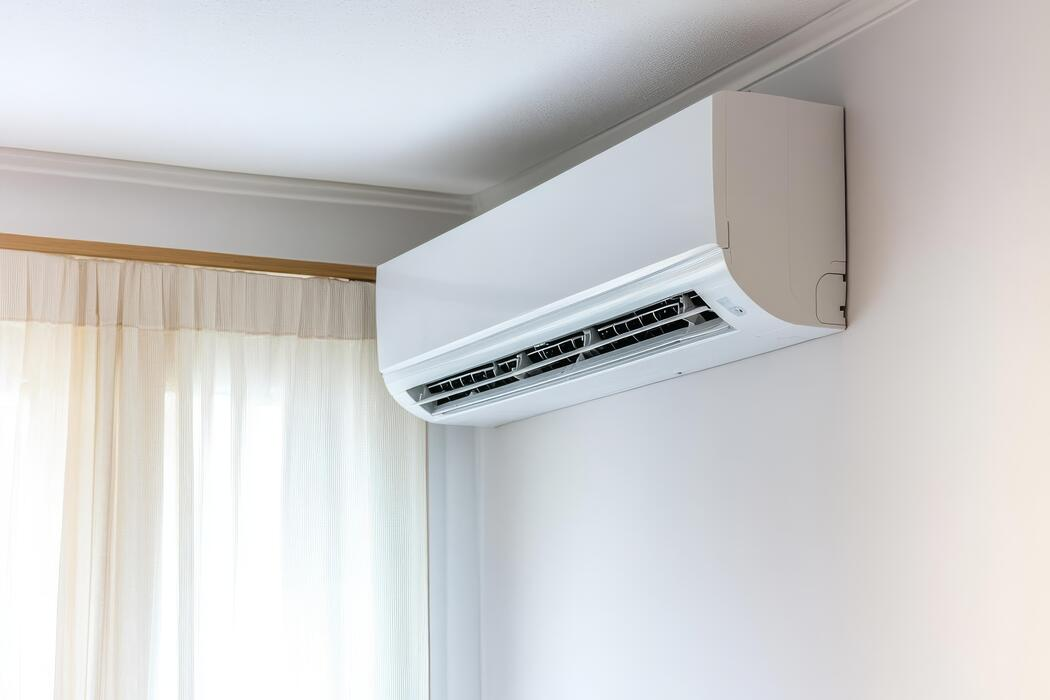
A mini split system uses an outdoor unit connected to one or more indoor air handlers through small refrigerant lines. Unlike central air, there is no need for a duct system because each indoor unit delivers cool air directly into the room.
Ductless air systems like mini splits offer flexible installation options without requiring traditional ductwork. Modern units usually use a mini-split heat pump system, which provides both air conditioning and heating by transferring heat rather than generating it.
A ductless mini split can operate as a single-room solution or as a multi-zone mini split system with multiple indoor air handlers connected to a single outdoor unit. This type of HVAC system is especially flexible for homes without ducts or for additions. Some mini split systems can also supplement central heat by providing both heating and cooling in one unit.
Pros of Mini-Splits
- Zoned control – cool only occupied rooms
One of the biggest reasons homeowners choose a mini-split is the ability to control temperatures room by room. Instead of cooling the entire house to the same temperature, you can adjust each zone based on how the space is used. For example, you might keep bedrooms cooler at night while reducing cooling in guest rooms or other areas that sit empty for most of the day. This level of flexibility can improve comfort while helping reduce energy waste.
- No ductwork required (great for add-ons/garages)
Since mini-splits are ductless, these units can be installed in homes where adding ductwork would be difficult, disruptive, or expensive. That’s why mini-split systems are especially appealing for older homes, historic properties, and houses that were never designed for central air. Installation typically requires only a small opening in the wall for refrigerant lines, making the process much less invasive than installing a new duct system.
- Very high SEER efficiency ratings
Modern mini-splits are known for their impressive efficiency ratings. Many systems achieve high SEER values, which means they use less energy to produce the same amount of cooling. Over time, this can translate into lower utility bills, especially during Waco’s long and demanding cooling season.
Cons of Mini-Splits
- Visible indoor units
Unlike central air, which hides most of its equipment behind walls and ceilings, mini-splits require indoor air handlers to be installed in the rooms they serve. While today’s units are sleeker than ever, some homeowners simply don’t like the look of a mounted unit in their living room, bedroom, or office. It’s a practical concern that often comes down to personal preference.
- Higher per-zone cost for whole-home coverage
Mini-splits can be very cost-effective when cooling one or two rooms. However, costs rise as additional zones are added. A whole-home setup may require several indoor units connected to a single outdoor unit, and each added zone increases equipment and installation expenses. In larger homes, the total investment can sometimes rival or exceed the cost of a traditional central air system.
- More units to maintain
Every indoor unit contains filters and components that need routine cleaning and maintenance. While the upkeep isn’t necessarily difficult, homeowners must remember that a multi-zone system has multiple pieces of equipment to care for.
Compared to a single central system, there are simply more components that need periodic attention to keep everything running efficiently. A properly designed mini split installation can deliver highly efficient cooling while avoiding the costs of installing new ducts.
Side-by-Side Comparison: Cost, Efficiency & Comfort
Efficiency alone shouldn’t drive the decision when comparing central air vs mini split systems. Installation requirements, lifestyle preferences, and overall comfort often matter more than raw efficiency numbers. A proper cost comparison between mini splits and central air conditioner systems will also help you understand both upfront and long-term expenses.
Here’s a simple side-by-side comparison of central air and mini split units to give you a clear idea of which system makes more sense for your home.
| Feature | Central AC | Mini-Split |
| Upfront Cost | Lower if existing ductwork is present | Lower for single rooms, higher for whole-home systems |
| Operating Cost | Moderate | Often lower due to zoning and variable-speed technology |
| Efficiency (SEER) | Good to excellent | Excellent, often among the highest efficiency ratings |
| Installation | Requires ducts and vents | Minimal construction required |
| Lifespan | 15–20 years | 15–20 years |
| Appearance | Hidden system | Visible indoor units |
| Best Use Case | Whole house cooling | Additions, garages, problem rooms, ductless homes |
Homeowners may also qualify for an energy efficient home improvement credit when upgrading to high-efficiency HVAC equipment.
When a Mini-Split Is the Smarter Choice
A mini split AC tends to be the better fit when your home doesn’t line up well with a traditional ducted system. Adding a full central air system can get expensive fast if there’s no existing ductwork, especially in older Waco homes where ducts would have to be run through tight attic spaces or finished walls.
It’s also one of the easiest ways to handle new or separate living spaces. If you’re finishing a garage, building out a workshop, or adding a guest suite, a ductless AC lets you get reliable cooling without tying into the rest of the home. You’re essentially giving that space its own independent comfort system.
Mini-splits also make a lot of sense when you’re dealing with uneven temperatures. If one room always runs hotter than the rest of the house, which is common in sun-facing rooms or upstairs spaces, a multi-zone mini split system lets you fix just that area instead of overhauling the whole HVAC setup.
In fact, many Waco homeowners choose mini-splits specifically when adding square footage because it avoids the cost and disruption of extending ducts through the attic and walls. It’s a clean, targeted solution.
When Central AC Is the Better Investment
For many homeowners planning an AC installation Waco project, central air remains the preferred option when existing ductwork is in good condition. If you have solid, well-sealed existing ductwork, you’re already halfway to an efficient system.
Central AC is especially effective when your goal is consistent, whole-home cooling. One system handles the entire house, pushing conditioned air through a network of ducts so every room stays on a similar temperature. For larger homes, this kind of uniform comfort is hard to beat.
It also tends to win when resale value matters. In many Central Texas neighborhoods, buyers still expect traditional central air, especially in larger properties where whole-home cooling is the norm. A modern system can be a strong selling point. Another advantage is aesthetics. With central AC, everything is hidden because there’s no visible indoor units or wall-mounted equipment – just vents blending into the home.
Many homeowners upgrading older systems opt for newer variable-speed central units. These systems run more efficiently, maintain steadier temperatures, and do a better job controlling humidity during long Waco summers.
If you’re comparing AC installation options or replacing an outdated system, a properly designed central upgrade often delivers the best mix of comfort, efficiency, and long-term value, especially when the ductwork is in good shape.
What System Suits the Central Texas Climate?
Waco and nearby communities like McGregor experience long cooling seasons, high summer temperatures, and periods of significant humidity. That means your air conditioning system needs to handle both sensible heat and moisture removal. Both mini split and central systems can perform well in Central Texas when sized correctly. The key is selecting equipment that matches your home’s cooling load.
For homes with good ducted infrastructure, modern central units offer excellent humidity management and whole-home comfort. For homes without ducts, a heat pump-based mini split can provide efficient cooling while also supporting winter comfort.
Since Texas summers place heavy demands on HVAC equipment, proper installation matters just as much as the equipment itself. Factors such as air quality, attic insulation, airflow, and ductwork condition can dramatically affect performance. Whether you’re deciding between central or ductless solutions, the right system is the one that matches your home’s design.
Getting a Professional Assessment in Waco
Choosing between central air and a mini-split isn’t something that should be based on square footage alone. Factors like your home’s layout, insulation levels, existing ductwork, window placement, and cooling needs all play a role in determining which system is right for your home.
That’s why a professional load calculation is so important. Rather than guessing what size or type of system you need, a load calculation evaluates how much cooling your home actually requires. An oversized system can cycle on and off too frequently, while an undersized system may struggle to keep up with Waco’s summer heat.
At On Point Service Company, we take the guesswork out of the process. Our team evaluates your home’s unique needs and helps you compare your options based on comfort, efficiency, and long-term value.
Whether you’re considering a new installation or exploring your options for an AC replacement in Waco, we’re here to help. Schedule a free estimate today, and we’ll help you determine whether a central AC system, mini-split, or combination of both is the right fit for your home.
FAQ
Is a mini-split cheaper than central air in Waco?
For a single room or addition, a mini-split is often less expensive because no duct installation is required. For whole-home coverage, the initial cost of multiple indoor units can exceed the cost of a central AC system.
How long do mini-splits and central AC systems last in Texas heat?
Both systems typically last 15-20 years when professionally installed and properly maintained. Regular service is especially important during Waco’s extended cooling season.
Can I add a mini-split to a home that already has central AC?
Yes. Many homeowners use a mini-split to supplement existing central air, especially in garages, additions, bonus rooms, or areas that remain difficult to cool.
Which system is more energy-efficient?
In most cases, mini-splits achieve higher efficiency ratings because these units eliminate duct losses and allow zoned cooling. However, modern central AC systems can also be highly efficient when paired with well-sealed ductwork.