






Essential AC Tune-Up Checklist by On Point Service Company
An air conditioning (AC) tune-up is essential for maintaining the efficiency and longevity of your HVAC system. This comprehensive checklist outlines the critical components of a professional AC tune-up service, ensuring that homeowners and business owners understand what to expect during their maintenance appointments. Regular maintenance not only enhances system performance but also helps prevent costly repairs down the line. In this article, we will explore the essential steps involved in a professional AC tune-up, the frequency of maintenance, seasonal tips for Central Texas climates, and the impact of preventive maintenance on overall costs.
What Are the Essential Steps in a Professional AC Tune-Up Service?
A professional AC tune-up involves several key steps designed to ensure optimal performance and efficiency. These steps typically include:
- Component Examination: Technicians inspect all major components of the AC system, including the compressor, condenser coils, and evaporator coils, to identify any potential issues.
- Refrigerant Level Checks: Ensuring the refrigerant levels are adequate is crucial for efficient cooling. Low refrigerant usually points to a leak, and it can lead to system strain and increased energy costs.
- Ductwork Inspection: Inspecting the ductwork for leaks or blockages helps maintain airflow and energy efficiency.
How Does the AC System Inspection Process Ensure Reliable Performance?
The AC system inspection process is vital for identifying hidden issues that could affect performance. Technicians look for signs of wear and tear, such as frayed wires or corroded components, which can lead to system failures if not addressed. Thorough inspections let homeowners address repairs before they escalate into more significant problems. This proactive approach not only ensures reliable performance but also extends the lifespan of the AC unit.
What Cleaning and Maintenance Tasks Are Included in a Pro AC Tune-Up?

During a professional AC tune-up, several cleaning and maintenance tasks are performed to enhance system efficiency:
- Filter Replacement: Regularly replacing the air filter is essential for maintaining good airflow and indoor air quality.
- Coil Cleaning: Cleaning the condenser and evaporator coils removes dirt and debris that can hinder performance and efficiency.
- System Testing: After maintenance, technicians conduct tests to ensure the system operates correctly and efficiently.
How Often Should You Schedule an AC Tune-Up?
Scheduling regular AC maintenance is crucial for energy efficiency and the longevity of your system. It is generally recommended to have a professional tune-up at least once a year, ideally before the cooling season begins. Regular maintenance helps identify potential issues early, ensuring that your system runs efficiently and effectively. Signs that indicate service is needed include unusual noises, reduced airflow, or increased energy bills.
Seasonal AC Maintenance Tips for Central Texas

In Central Texas, seasonal maintenance is vital due to the region’s unique climate. Here are some recommended tips:
- Spring Maintenance Tasks: Before the hot summer months, check and replace air filters, clean the outdoor unit, and ensure the thermostat is functioning correctly.
- Mid-Summer Check-Up: Schedule a mid-summer inspection to ensure the system is performing optimally during peak usage.
- Fall Maintenance Preparation: As temperatures drop, prepare your system for cooler weather by cleaning the unit and checking for any necessary repairs.
Spring AC maintenance tips, and what maintenance your unit needs
An AC unit needs two kinds of maintenance: simple spring tasks you can do yourself and a professional service at least once a year. Start with your part:
- Replace a disposable filter monthly. Clean a washable one often.
- Clear leaves, branches, and debris off the outdoor unit, and keep plants at least two feet away so it can pull in air.
- If you shut off the outdoor unit’s power for winter, turn the breaker back on.
- Run the AC for a bit before summer so any problem shows up early.
- Keep the vents open. Keep doors and windows closed while it runs.
- Turn the humidity control down. If your humidifier has a damper, close it so cold air isn’t wasted.
- Consider a programmable thermostat so the AC works less when no one is home.
Leave the rest to a technician. Beyond the items above, a thorough visit includes checking all connections, reading the electrical amp draw, clearing the drain, and looking over the evaporator coil fins for dirt, corrosion, or damage.
Don’t wait for the yearly visit if you see no cool air, a tripping circuit breaker, or a unit that shuts down abruptly. Those are signs of an electrical problem, and a trained technician should find the cause.
If your system is outdated, spring is also the better time to replace it. Contractors get busy in summer, and you could wait days or weeks for an installation.
How Does Regular Preventive Maintenance Impact Air Conditioner Tune Up Cost Over Time?
Regular preventive maintenance can significantly impact the overall cost of air conditioner tune-ups. By addressing minor issues before they escalate, homeowners can avoid costly repairs and replacements. Additionally, well-maintained systems operate more efficiently, leading to lower energy bills. The frequency of maintenance, the age of the unit, and the overall condition of the system all play a role in determining long-term costs.
What Does a Professional AC Service Checklist Cover Regarding Key HVAC Components?
A professional AC service checklist covers several key components to ensure comprehensive maintenance. This includes:
- Refrigerant Level Checks: Ensuring proper refrigerant levels for optimal cooling efficiency.
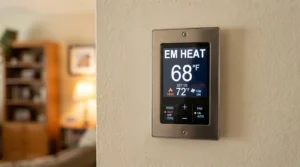
- Thermostat Calibration: Verifying that the thermostat is accurately reading temperatures and controlling the system effectively.
- Blower Motor Inspection: Checking the blower motor for proper operation and cleaning as necessary.
Why Are Refrigerant Level Checks and Thermostat Calibration Critical?
Refrigerant level checks are critical because a low level usually points to a leak and can lead to inefficient cooling and increased energy consumption. Additionally, thermostat calibration ensures that the system operates at the desired temperature, preventing unnecessary strain on the unit. Neglecting these checks can result in higher energy bills and reduced comfort levels in your home.
How Are Blower Motor and Coil Cleaning Performed During Maintenance?
Blower motor and coil cleaning are performed using specialized tools and techniques. Technicians may use compressed air to remove dust and debris from the blower motor and coils, ensuring optimal airflow and efficiency. Regular cleaning helps prevent overheating and extends the lifespan of the components, contributing to overall system reliability.
How Can Homeowners Benefit from Transparent AC Tune-Up Services and Pricing?
Transparent AC tune-up services and pricing provide homeowners with a clear understanding of what to expect during maintenance appointments. This clarity fosters trust between the service provider and the homeowner, ensuring that there are no hidden fees or unexpected charges. By knowing the costs upfront, homeowners can make informed decisions about their HVAC maintenance.
What Should You Expect from a Professional Service Appointment and Estimate?
During a professional service appointment, homeowners can expect a thorough inspection of their AC system, detailed explanations of any issues found, and a transparent estimate for any necessary repairs. Technicians should communicate openly about the services provided and the associated costs, ensuring that homeowners feel confident in their maintenance decisions.