





Discover expert energy-saving fridge tips to lower your electricity bills and keep food safe. Simple changes can make your fridge more efficient today!
Refrigerators are among the highest energy-consuming appliances in most homes. For many households, an inefficient fridge can significantly impact monthly utility bills, quietly driving up costs over time. In some cases, hidden mechanical issues that require professional refrigerator repair may also be contributing to excess energy use.
Many homeowners search for practical advice on how to make a fridge save energy without compromising food safety or performance. The good news is that small, intentional changes can lead to meaningful energy savings, regardless of your refrigerator’s type or age.
Whether you have a compact fridge in the kitchen or a full-sized Energy Star-rated model, applying practical energy-saving fridge tips can reduce electricity usage and save money.
Understanding Your Fridge’s Energy Consumption
Refrigerators operate through a series of cycles that require electricity. The compressor, responsible for cooling, cycles on and off as needed, while automatic or manual defrost cycles add occasional energy use. On average, a standard fridge consumes between 100-800 kWh per year, translating to a noticeable addition to your electricity bill.
Older models tend to be less efficient, whereas Energy Star-rated refrigerators use advanced insulation and compressors to reduce consumption. Factors like size, age, and additional features like ice makers, water dispensers, or smart displays can further increase electricity usage.
As refrigerators approach the end of their typical appliance lifespan of 10-15 years, they often consume more energy due to normal wear and tear on internal components. It’s important to note that just because a fridge runs frequently doesn’t automatically mean it’s inefficient. Proper operation is key.
Optimal Temperature Settings for Maximum Efficiency
Keeping your refrigerator at the correct temperature is one of the most effective ways to cut energy costs and extend the life of your appliance. If your fridge constantly runs, struggles to maintain consistent cooling, or causes unexpected spikes in your utility bill, it may be time to schedule professional refrigerator repair to prevent bigger, more expensive problems down the line.
The Ideal Fridge and Freezer Temperatures
Setting your fridge and freezer to the right temperatures is one of the easiest ways to save energy. The recommended ranges are 37-40°F for the fridge and 0-5°F for the freezer. These temperatures ensure your food stays safe while avoiding unnecessary energy use.
To check accuracy, use an appliance thermometer placed in the center of the fridge and freezer. Avoid the temptation to set temperatures colder than necessary “just to be safe,” as this wastes electricity without improving food safety.
Seasonal Temperature Adjustments
While refrigerators generally maintain stable temperatures, ambient kitchen conditions can affect efficiency. In hot summer months, the fridge may work harder, so slight adjustments toward the cooler end of the recommended range may help.
During winter, minimal changes are typically needed unless the appliance is in an unusually cold room. Small tweaks based on seasonal changes can contribute to long-term energy savings.
Strategic Food Storage and Organization Tips
Proper food placement not only makes your fridge more functional but also reduces energy consumption. Here are some tips that you should consider.
- Keep air vents unblocked to allow cold air to circulate freely.
- Avoid overloading or under-filling the fridge, as both scenarios reduce efficiency.
- Store foods away from temperature sensors to prevent the compressor from overworking.
- Use designated zones. Raw meats at the bottom, dairy in the middle, and vegetables in the crisper drawers.
By organizing strategically, you help your fridge maintain optimal airflow, which improves efficiency and reduces energy use.
Door Seal Maintenance and Usage Habits
Your refrigerator’s door seals or gaskets play a critical role in maintaining internal temperature. When they fail, cold air escapes and warm air enters, forcing the compressor to work harder and consume more electricity. Over time, neglected seals can significantly increase energy bills and even lead to avoidable refrigerator repair issues.
Checking and Maintaining Door Seals
Cracked, loose, or hardened door gaskets prevent the fridge from sealing tightly. Even a small gap allows cold air to leak out continuously, which causes longer compressor cycles and inconsistent internal temperatures. This constant strain not only wastes energy but can shorten the lifespan of key components.
A simple way to test your seal is the “dollar bill test.” Close the door on a dollar bill and gently pull it out. If it slides out easily without resistance, the seal may not be tight enough.
Cleaning and Maintenance Routine for Gaskets
Regular cleaning helps maintain flexibility and ensures a proper seal.
- Wipe seals monthly with warm water and mild soap.
- Use a soft cloth or toothbrush to clean inside gasket folds.
- Dry thoroughly to prevent mold or mildew buildup.
- Apply a light coat of petroleum jelly to keep rubber soft (if recommended by the manufacturer).
Keeping seals clean prevents cracking and maintains airtight performance.
When to Repair vs. Replace Door Seals
Minor issues like dirt buildup or slight misalignment can often be resolved with cleaning or simple adjustments. However, replacement is usually necessary if you notice the following:
- Visible cracks or tears
- Brittle or hardened rubber
- Persistent gaps after cleaning
- Condensation forming around the door edges
Replacing worn gaskets is far more cost-effective than ignoring the problem and facing higher energy bills or major refrigerator repair later. Prompt attention to door seal issues ensures your fridge operates efficiently and reliably year-round.
Coil Cleaning and Ventilation Essentials
Dirty condenser coils are a hidden energy drain. When coils are clogged with dust or debris, the compressor must work harder to maintain temperature.
- Locate coils (usually at the back or bottom of your fridge).
- Use a coil brush or vacuum to remove dust and dirt.
- Clean every 6-12 months for optimal efficiency.
Regular coil maintenance improves performance and prolongs the life of your appliance.
Location and Placement Optimization
The fridge’s placement can affect energy consumption. Avoid placing it near heat sources like ovens, dishwashers, heating vents, or direct sunlight. In hot climates, poor placement can amplify energy use as the fridge works overtime to stay cool. For best results, keep your appliance in a well-ventilated, shaded spot with at least a few inches of clearance on all sides.
Additional Energy-Saving Fridge Tips and Tricks
Beyond the basics, these lesser-known strategies can further reduce electricity usage:
- Keep the freezer relatively full. Use ice packs if necessary to maintain temperature.
- Use a fridge thermometer to monitor and adjust internal temperatures accurately.
- Defrost manual-defrost freezers regularly.
- Clean door drains to prevent blockages.
- Vacuum the back or bottom of the fridge to remove dust buildup.
Implementing even a few of these tips can enhance overall efficiency.
When to Consider Upgrading Your Refrigerator
Sometimes, even the best maintenance isn’t enough. Signs that it may be time for a new fridge include:
- Older than 10-15 years
- Frequent repairs or high energy bills
- Noticeable temperature inconsistencies
Modern, energy-efficient models can save hundreds of dollars per year. Look for Energy Star-rated appliances and features that match your household needs. Proper maintenance, however, can extend the lifespan and efficiency of any fridge.
Monitoring Your Fridge’s Energy Usage
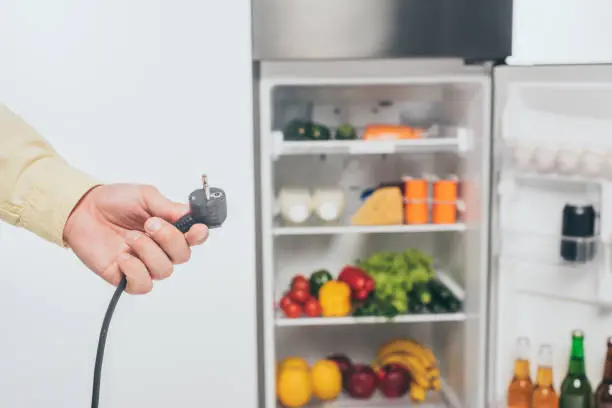
Monitoring your refrigerator’s power consumption is one of the smartest ways to identify inefficiencies and prevent unnecessary energy waste. By tracking usage patterns, you can spot early warning signs that may indicate maintenance needs or potential refrigerator repair issues.
Use Plug-In Electricity Monitors and Smart Plugs
Plug-in electricity monitors are simple devices that connect between your fridge and the wall outlet. It measures how much electricity the appliance consumes in real time and typically displays data in kilowatt-hours (kWh).
Smart plugs with energy-monitoring features go a step further by allowing you to track usage through a mobile app, making it easy to monitor trends over days or weeks.
These tools are affordable, easy to install, and provide valuable insight into how efficiently your fridge is operating.
How to Interpret Usage Data
Once connected, monitor your refrigerator’s daily and weekly energy consumption. Most modern refrigerators use between 1-2 kWh per day, depending on size and model. If you notice unusually high readings, frequent spikes, or continuous running cycles, it may indicate issues such as:
- Dirty condenser coils
- Worn door seals
- Temperature setting problems
- Failing compressor components
Sudden increases in energy usage often signal that refrigerator repair or maintenance may be needed before a complete breakdown occurs.
Establish a Baseline to Measure Improvement
To get meaningful results, track your fridge’s energy usage for at least one full week to establish a baseline. After implementing energy-saving strategies such as adjusting temperature settings, cleaning coils, or improving door seals, compare new readings to your original data.
A measurable drop in kWh usage confirms your efforts are working. If there is little to no improvement, consulting a professional refrigerator repair technician can help diagnose underlying mechanical issues and restore optimal efficiency.
Final Thoughts on How to Make Your Fridge Use Less Electricity
Reducing a refrigerator’s energy consumption doesn’t have to be complicated. From optimal temperature settings to strategic food storage, regular maintenance, and mindful placement, combining multiple energy-saving fridge tips can create meaningful reductions in electricity usage. Start with small changes and build from there. You’ll enjoy lower bills and contribute to a greener, more sustainable home.
Ready to start saving energy and money? Check your fridge today, apply these tips, and see the difference in your next electricity bill. For professional fridge maintenance and expert advice, contact On Point Service Company and make your home more efficient for many years to come.