




Discover the 7 Types of AC Filters
Changing your AC filter is a crucial maintenance task that will help keep your indoor air cleaner and prolong your appliance’s life. Some of the signs indicating it’s time for a new one include dust-covered air vents, high electricity bills, warm air coming out of the unit, and the list goes on. However, did you know that air filters come in various types? Choosing the best one for your home can be a bit overwhelming, so we’ve rounded up below some of the top options you can consider.
Fiberglass or Spun Glass Air Filters
Fiberglass strands are spun together to create spun glass HVAC filters. These are among the most popular types due to their cost efficiency. They are also disposable and protect AC systems and furnaces from debris. They do the basic job of protecting the equipment. However, if you are looking for an air purifier, a more state-of-the-art option would be more appropriate.
Fiberglass air filters are not known for improving the quality of indoor air. They can only filter 20 percent of approximately 3.0 to 10.0 micron particles. Particles in this size include carpet fibers, pollen, and dust. Because of this, appliance repair experts do not recommend installing fiberglass air filters into your AC system if you or any members of the family have respiratory issues.
Pros: Spun glass air filters are reasonably priced. They are the cheapest filters available on the market. They catch larger dust and lint well enough to protect the system, but not much else.
Cons: Because fiberglass filters come with a small surface area, they are not reliable in filtering smaller pollutants. These are not the perfect choice for people with asthma and other respiratory diseases.
Pleated AC Filters
Cotton fold or polyester fabrics are two air filter components utilized in pleated filters. Featuring a MERV rating of between 5 and 13, these filters efficiently filter dust and other airborne pollutants, though the higher-rated ones resist airflow more.
Pleated filters are more expensive than spun glass filters. That’s because they stand out when it comes to filtering contaminants. They can capture pet dander, mold spores, pollen, and other smaller particles. These filters are available in disposable and reusable versions.
Pros: These filters perform well in filtering smaller contaminants. They last longer and are sometimes recyclable. Thus, they can save you a lot of money.
Cons: These are costlier than other types of air conditioner filters, and there is also a possibility of restricting airflow.
HEPA Filters
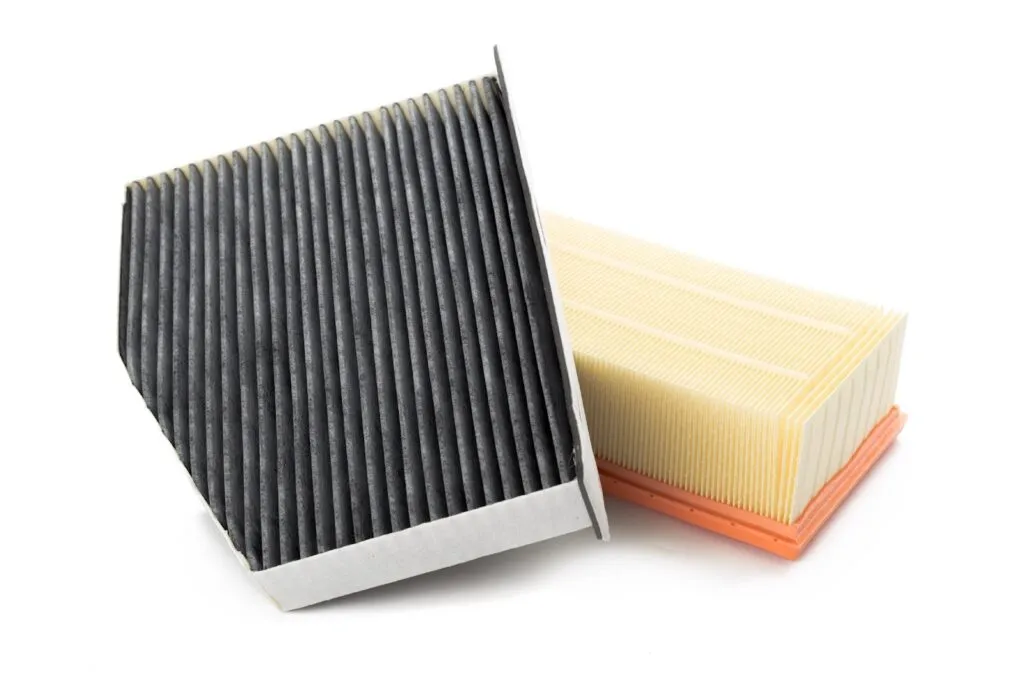
These are among the most efficient air filters available. Most standard home HVAC systems can’t take a true HEPA filter without modification, so ask a technician before you buy one. A true HEPA filter captures at least 99.97% of particles 0.3 microns in size, which covers pet dander, pollen, mold spores, dust, and most bacteria and smoke particles.
Because of the high efficiency of these filters, they are a good fit for people with allergies or other respiratory issues. That’s why they are more expensive than pleated and spun glass filters.
Pros: Extremely effective against small and large pollutant particles.
Cons: Fumes, gases, and odors can still pass through the filter. Due to its high filtering capability, they may restrict airflow, which causes the AC efficiency to drop. You can contact a specialist in appliance repair Waco, TX for more information about HEPA filters.
UV Light Filters
As the name suggests, UV light filters employ short-wave UV light to kill viruses and bacteria. When air passes into the AC system, the ultraviolet lamps disinfect it with germicidal radiation. These filters effectively kill microorganisms that can harm your well-being, like mold spores.
However, there is also a risk of using these filters. There is a possibility of transforming oxygen into ozone, which can harm your health. Even low ozone levels can cause chest pain and coughing, while high levels can worsen your asthma.
Moreover, even if UV light filters effectively kill viruses and bacteria, they are not as effective when filtering pollutants.
Pros: These filters use UV light that can kill germs and mold.
Cons: Besides being expensive to install, these filters cannot eliminate pollutants like allergens. They are also ineffective in removing fumes, cigar smoke, and gasses.
Electrostatic Filters
Though not so familiar, these can be effective against pollutants. Electrostatic air filters use a static charge in their fibers to attract particles. They also serve as a magnet by catching contaminants in the filter screen; thus, keeping the allergens from spreading in your house. So, these air filters can help people with allergies.
Some electrostatic filters available are equipped with a carbon filter for better efficiency. They can be pleated or flat paneled and are available in disposable and washable versions.
Pros: Disposable versions are inexpensive, and reusable, washable versions can reduce costs over time.
Cons: These filters lose efficiency as they load up with dirt, so they need regular cleaning or replacing.
Washable HVAC Air Filters
Washable air filters are considered the most eco-friendly filters available. You can find them in pleated and flat paneled forms. They are more expensive than disposable ones but effective in trapping pollutants.
To clean washable filters, you must vacuum or rinse them to eliminate impurities and dirt. Make sure they are fully dry before putting them back on. Using wet filters can result in the buildup of bacteria and mold, which will affect indoor air quality.
Pros: Eco-friendly and effective in catching pollutants
Cons: These filters require regular maintenance to maintain their effectiveness.
Media Filters
These filters contain a paper-like component folded into pleats inside a cabinet made of metal. Though they measure six inches, the pleated material can cover 75sq ft when unfolded. The increased surface areas make media filters more effective than their typical counterparts. What’s more, the surface areas account for the long lifespan of these filters, enabling them to last about 6 to 12 months.
An air conditioning repair company usually recommends media filters to those in industrial fields or with frail immune systems.
Pros: These filters are relatively low maintenance because they last much longer than a standard 1-inch filter.
Cons: Media filters must be installed by a professional air conditioning repair company. So, DIYs won’t work.
Filters and purifiers: how to choose the best for your AC
A filter traps particles as air passes through it. A purifier removes pollutants in other ways, such as UV light, ionization, or chemical reactions. Two purifier types aren’t covered above.
- Ionizer purifiers use ions to remove particles from the air, but they may produce harmful ozone as a byproduct.
- Activated carbon purifiers remove odors and chemicals. Pleated and HEPA filters may not do much for smells, so carbon is the one to look at if odor is your main complaint.
To narrow it down, work through these in order:
- Start with your air problem. For allergies or asthma, look at HEPA. For odors or chemicals, look at activated carbon. For germs and mold spores, look at UV, and keep the ozone caution above in mind.
- Check that it’s compatible with your unit. Not every product works with every system.
- Balance filtration against airflow. Higher-efficiency filters resist airflow more, and that can affect how well your HVAC system performs. Your AC still has to move the volume of air it needs, so ask a tech before going to a much denser filter.
- Factor in your home and budget. The size of the space and the ductwork you already have both affect the right choice.
Conclusion
If you know there’s something wrong with your indoor air quality, then the AC’s air filter is a good place to start. On Point Service Company is committed to providing reasonably priced air conditioner repair services to ensure your health and comfort. If you live in Waco, TX, and need AC repair services for issues like AC not cooling, AC blowing warm air, or air filter installation, contact On Point Service Company today!